

Laundry detergent sheets have moved from a niche eco-product to a serious category for importers and private-label brands. For B2B buyers, the key question is not just “do they work?” but what specifications, formulation choices, and regional expectations you need to understand before placing an order. This guide breaks down the mechanics, realistic performance, and comparison against pods and liquid detergents, with practical points for wholesale and OEM sourcing.
What Are Laundry Detergent Sheets? (Composition and Mechanics)
Laundry detergent sheets are thin, dry, pre-measured sheets of concentrated detergent. In most formulations, the detergent actives are either embedded in or coated onto a water-soluble paper or film substrate, held together with a resin binder that dissolves in the wash. When the sheet hits water, the substrate breaks down and releases surfactants, enzymes, and other cleaning agents into the drum.
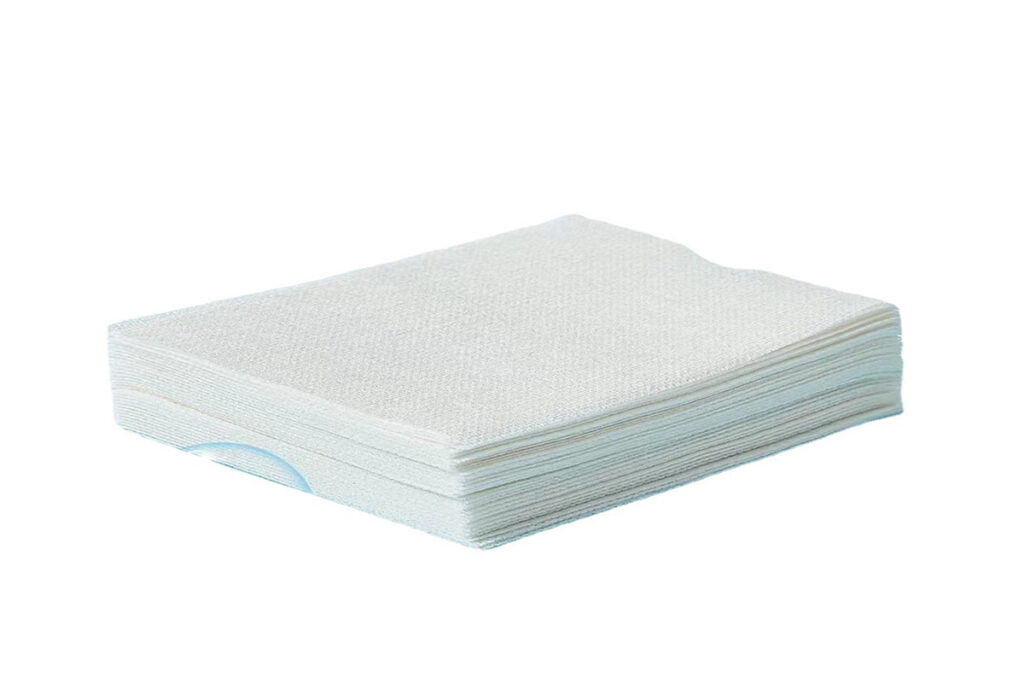
Key composition points buyers should understand:
- Substrate: Usually a dissolvable paper or polyvinyl alcohol (PVOH)-type film. The resin binder is essential for keeping the sheet intact during storage and handling.
- Actives: Surfactants, enzymes, builders, and sometimes fragrance capsules. Advanced formulas may claim multi-action stain-fighting enzyme blends, but actual enzyme types and stability vary by supplier.
- Fragrance: Some sheets use touch-activated fragrance capsules designed to release scent when the dry fabric is handled, with claims of varying durations of residual fragrance.
- Free-from positioning: Many sheet brands market formulas without optical brighteners, parabens, dyes, and preservatives. However, always request full ingredient declarations from your supplier.
- Packaging moisture barrier: Even products marketed as “plastic-free” usually still need a moisture-barrier layer—often recyclable foil—to protect the water-soluble sheet from humidity before use.
Formulation limitations matter. Some sheet formulations are explicitly not recommended for delicate fabrics like wool or silk; if your target market includes those textiles, you may need a separate SKU or clear label warnings. Standard dissolving and cleaning effectiveness is generally designed for water temperatures between the lower and upper limits specified for the formula, but cold-water performance varies by formula. For OEM buyers, we supply laundry detergent sheets in various configurations; you can work with us to adjust substrate, fragrance, and enzyme profile.
How Well Do Laundry Detergent Sheets Actually Work?
Independent consumer testing has generally found that detergent sheets handle everyday light-to-medium soil acceptably, but they often struggle with tough, set-in stains such as coffee, tea, or red wine when compared head-to-head with premium liquid detergents. The format itself is not inherently worse; the limitation usually comes from formulation constraints: a thin sheet can carry only so much active matter and enzyme concentration before it becomes brittle or fails to dissolve properly. Liquids, by contrast, can be formulated with higher water content and a wider variety of stain-fighting components.
In practice, many buyers report:
- Sheets work well for regular loads, lightly soiled clothing, gym wear, and travel.
- Heavy-duty stain removal or industrial laundry may require pre-treatment or a separate booster.
- Dissolution speed depends on water temperature, agitation, and sheet thickness; some sheets leave residue in cold, short cycles.
- Scent longevity varies widely; fragrance capsule technology can improve it, but not all sheets have it.
For the German market, note that consumers and testing authorities are highly critical of cleaning performance and missing ingredient declarations on laundry sheets. Packaging in that market still commonly relies on recyclable plastic foil to prevent moisture damage. For Japan, demand is strong for travel-friendly sizes, including compact packs, and sheets with integrated fabric softener. For Spain, unscented sheets are often positioned for baby clothes.
When evaluating a sheet supplier, ask for independent lab results (stain removal on standard soils, dissolution time, residue tests) rather than relying on marketing claims. Not all manufacturers disclose full actives percentages; we recommend requesting a technical data sheet and, if possible, a sample batch for in-house testing.
Laundry Sheets vs. Liquid Detergent vs. Laundry Pods
The table below compares the three formats from a procurement perspective.
| Feature | Laundry Sheets | Liquid Detergent | Laundry Pods |
|---|---|---|---|
| Form | Dry, thin, pre-measured sheet | Liquid or gel | Liquid/powder encased in PVOH film |
| Water content | Very low | High (often 50–80%) | Low to moderate |
| Packaging | Lightweight, compact; often paper/foil pouch | Heavy plastic bottle or pouch | Plastic tub or pouch |
| Dosing | Pre-measured, one sheet per load | Measured by cap or pump | Pre-measured, one pod per load |
| Storage stability | Excellent if kept dry; moisture-sensitive | Good, but can separate over time | Good, but film can puncture |
| Cleaning performance | Moderate for light/medium soil; weaker on tough stains | Generally strongest on heavy stains | Strong, but dependent on pod formulation |
| Formulation flexibility | Limited by sheet thickness and substrate | Very high | High, but film compatibility required |
| Shipping cost per load | Low (lightweight) | High (heavy water) | Moderate |
| OEM/private label complexity | Moderate; requires specialized coating/drying equipment | Low; standard filling lines | Moderate to high; film sealing and compatibility |
For a deeper look at pods, see our Product Analysis of Laundry Pods. If you are deciding between sheets and pods for a private-label line, we also supply laundry detergent pods.
The choice often comes down to positioning: eco-conscious, travel-friendly, or plastic-reduction brands lean toward sheets; performance-focused or value brands may stick with liquids; pods offer convenience but at a higher cost per load and more packaging weight.
Key Specifications for Wholesale and OEM Buyers
When sourcing laundry detergent sheets, specify these parameters in your RFQ:
- Sheet dimensions: Length, width, and thickness affect dosing accuracy and packaging. Our standard sheet size is something to confirm with our sales team when discussing your dosing and packaging requirements.
- Weight per sheet: Typically 2–5 g, but must match your target load size. Our current weight per sheet is something to confirm with our sales team for your chosen formulation.
- Sheet count per retail pack: Common packs range from 30 to 80 sheets, but private label can be customized. Our standard pack count is something to confirm with our sales team when selecting your packaging.
- Dissolution time: Should be under a specified time in cold water (e.g., a limit agreed with your supplier and measured in seconds) without residue.
- Foam profile: High-efficiency (HE) washing machines require low-foam formulas; confirm compatibility.
- Active matter content: Request percentage of surfactants and enzymes; avoid suppliers who won’t disclose.
- pH and enzyme stability: Ensure enzymes survive storage and release properly.
- Fragrance load and type: Unscented options for sensitive markets; check fragrance allergies.
- Packaging format: Moisture-barrier requirement (foil or coated paper), retail display box, and shipping carton specs.
Dosage guidance varies by formulation. Some suppliers recommend a dosage based on load size for handwashing and a dosage based on machine type and load size for machine washing, but this is not universal—always ask for the specific recommendation for your product. For heavy soil, a second sheet may be advised.
Oradess is a cleaning-products manufacturer based in Taizhou, Zhejiang, China, operating since 2019. We supply wholesale and OEM/private-label laundry detergent sheets. For custom projects, typical minimum order quantity (MOQ) is dependent on the formulation and packaging requirements; confirm it with our sales team, lead time depends on order requirements and the production schedule, and monthly production capacity should be confirmed with our sales team for your planned order. Contact us to request samples or a formulation review.
Regional packaging notes: Japanese buyers often want small travel packs (e.g., 4-sheet sachets) and sheets with integrated softener; European buyers prioritize full ingredient lists and recyclable packaging; some Spanish retailers prefer unscented sheets marketed for baby clothes. If you are targeting multiple markets, consider a modular packaging design.
Frequently Asked Questions About Detergent Sheets
Do laundry detergent sheets really work?
Yes, they clean everyday laundry acceptably for most users. Independent testing shows they handle light-to-medium soil well, but they may underperform on tough, set-in stains compared to premium liquids. The result depends on the formulation, not just the sheet format.
Why don’t we recommend laundry detergent sheets?
We don’t recommend them universally. For heavily soiled industrial laundry or when maximum stain removal is critical, a high-performance liquid detergent may be more reliable. For eco-conscious, space-saving, and pre-dosed convenience, sheets are a solid choice. We recommend testing against your target market’s expectations before committing.
What do consumer reports say about laundry sheets?
Independent consumer reviews generally conclude that detergent sheets are convenient and eco-friendly, but many struggle with tough stains like coffee or red wine. Some testing bodies have also criticized missing ingredient declarations on certain sheet brands. Always request full disclosure from your supplier.
Do detergent sheets clog drains?
When used at the recommended dosage and water temperature with sufficient agitation, sheets dissolve completely and do not clog drains. Overloading the machine or using very cold, short cycles can increase the risk of undissolved residue. Follow the label instructions.
How many laundry detergent sheets should I use?
Typical guidance is one sheet per regular load, but this varies. Some suppliers recommend a dosage based on load size for handwashing and a dosage based on machine type and load size for machine washing. For large or heavily soiled loads, you may need two sheets. Always check the product label and adjust based on your water hardness.


