
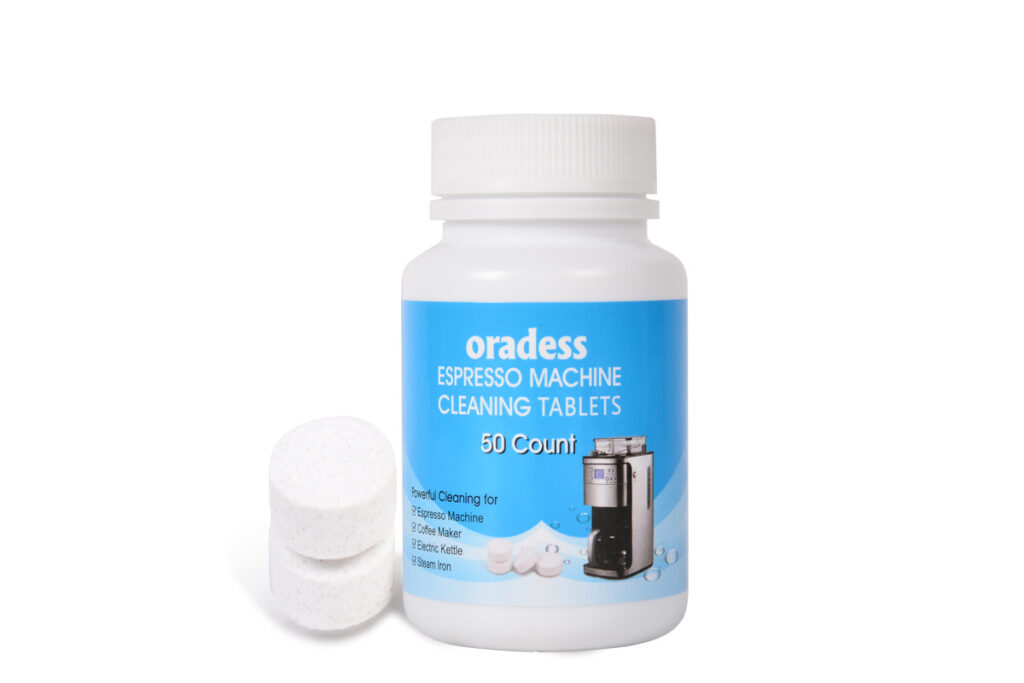
To clean an espresso machine, work in three layers: a quick clean after every use (knock out the puck, rinse the basket and portafilter, flush and wipe the group head, purge and wipe the steam wand), a deeper clean of the brew path at regular intervals (a detergent backflush on machines built for it, or the built-in cleaning program on automatic machines), and descaling whenever your manual or the machine’s alert calls for it. How often you do the deeper steps depends on your machine, how many drinks it makes and how hard your water is, so treat the routine below as a common pattern and let your operating manual set the exact schedule.
This guide covers home and light commercial machines: portafilter (semi-automatic) machines and automatic bean-to-cup machines. It does not replace the manufacturer’s instructions, and it is not a service plan for multi-group café equipment, which usually has its own maintenance schedule.
Before You Start: Identify Your Machine’s Cleaning Method
The single most important question is whether your machine can be backflushed. Backflushing pushes water and cleaner back through the group head and out through a release valve into the drip tray. That only works on machines with a three-way valve, and the procedure is not designed for machines without one. If your manual does not mention backflushing, do not do it.
| Machine type | Quick clean | Deeper brew-path clean | Descaling |
|---|---|---|---|
| Portafilter machine with a three-way valve | After every use | Detergent backflush with a blind basket | As the manual directs |
| Portafilter machine without a three-way valve | After every use | Remove and clean the shower screen and gasket area by hand; no backflush | As the manual directs |
| Automatic bean-to-cup machine | Empty trays, rinse milk parts | Run the built-in cleaning program when prompted | Run the descaling program when prompted |
After Each Use and Daily: Grounds, Portafilter, Group Head and Steam Wand
Most of the build-up that makes coffee taste bitter or stale starts with small daily misses. A short routine after each session prevents it:
- Knock out the puck and rinse the basket and portafilter. Coffee oil sticks to metal surfaces and turns rancid if it is left to dry.
- Flush the group head. Run a short burst of hot water with no portafilter attached to wash loose grounds off the shower screen, then wipe the gasket area with a group-head brush.
- Brush the edges of the brew group. If you see grounds piling up around the group, brush that area more often rather than waiting for the next deep clean.
- Check a built-in tamper, if your machine has one. Remove leftover grounds and make sure the tamping surface is dry before the next shot.
- Purge and wipe the steam wand straight away. Open the steam for a moment before and after frothing and wipe the wand with a damp cloth while it is still warm. Dried milk is much harder to remove.
- Empty the drip tray and grounds container, and refresh the water tank. Standing water and wet grounds are where smells and mould start.
Weekly and Monthly Care: Common Routines, Not a Universal Schedule
Cleaning guides do not agree on a single calendar, and they should not: a machine pulling a few shots on a weekend needs far less attention than one running all morning in a small café. A practical approach is to tie the deeper tasks to how the machine looks and behaves. If the shower screen looks dark, the drip tray water is brown and oily, or shots start tasting flat or bitter, the brew path is due for a proper clean.
The deeper tasks most guides include are:
- a detergent backflush (compatible machines only) or the automatic cleaning program;
- soaking the filter baskets and the metal part of the portafilter in cleaning solution;
- removing and cleaning the shower screen where your manual allows it;
- a thorough clean of the steam tip and milk parts;
- washing the water tank and drip tray with mild soap and rinsing well.
Backflushing with Cleaner: Compatible Machines Only
A detergent backflush uses a blind basket, a filter basket with no outlet holes, in place of your normal basket. With the cleaner in the blind basket, you run the pump in short on-off cycles so the solution is pushed back through the group and out through the valve. The step people skip is the rinse: after the detergent cycles, repeat the process with water only, then pull a shot and throw it away so no cleaner taste reaches the next cup.
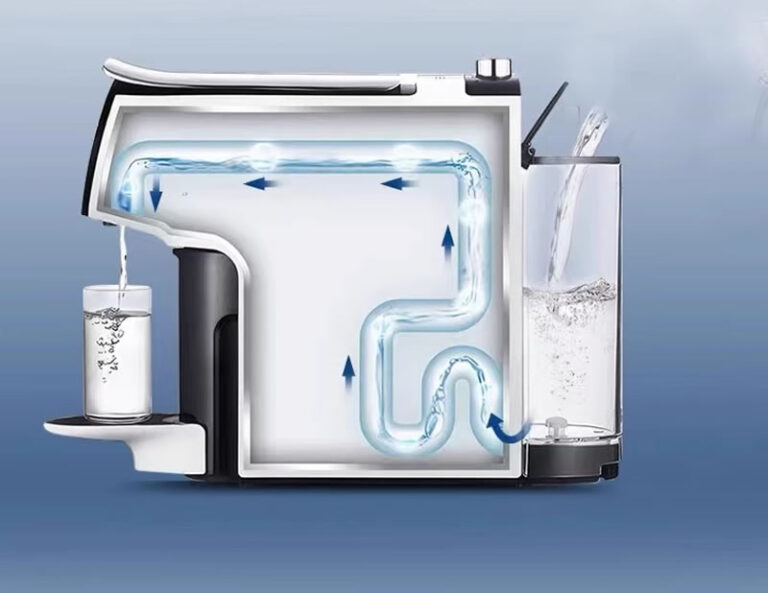
Use the quantity of cleaner and the number of cycles printed on the cleaner’s label and in your machine’s manual. We cover the full step-by-step process, including how it differs on automatic machines, in our guide on how to use espresso machine cleaning tablets.
Cleaning Removable Parts: Screens, Baskets and Milk Components
Coffee oil collects in places you cannot see from the outside: behind the shower screen, in the small holes of the filter basket and inside the portafilter spout. Partly blocked basket holes can make extraction uneven even when your grind and dose are right.

- Baskets and portafilter: soak the metal parts in a cleaning solution made up according to the cleaner’s label. Keep a plastic or wooden handle out of the solution, then rinse every part thoroughly with clean water.
- Shower screen: if your manual allows it, unscrew the screen, brush away the oil layer behind it, soak it with the baskets and refit it carefully.
- Steam wand and milk parts: if the lower section of the steam tip unscrews, clean the threads as well as the holes. Milk residue collects in the threads and is easy to miss. On automatic machines, run the milk-system cleaning routine the manual specifies.
Automatic Machines: Cleaning Prompts and Care After a Break
Many automatic machines rinse themselves when they switch on and off. That rinse is useful, but it is not a full clean. These machines usually show separate alerts for cleaning and for descaling, and the two programs do different jobs, so respond to each one with the product and steps the manual names.
If a machine has not been used for a while, clean it before you drink from it again: empty and wash the water tank, clean the milk components, drip tray and grounds container, rinse the brewing unit if it is removable, and wipe the inside and outside surfaces. For the housing, follow the manual’s list of what not to use. Some manufacturers exclude abrasive products, alcohol-based cleaners and vinegar-based cleaners on exterior surfaces because they can damage them.
Two safety points apply to every machine. The group head can stay hot for hours after you switch the machine off, so let it cool before you take it apart. And never wash the machine body with a water jet or put it under a running tap.
Cleaner or Descaler? They Do Different Jobs
Espresso machine cleaners and cleaning tablets remove coffee oils and residue from the brew path. Descalers remove mineral scale that builds up from water inside the boiler and pipes. One does not replace the other, and using the wrong product for the job leaves the real problem in place. If you are not sure which one your machine is asking for, see espresso cleaning tablets vs descaling tablets.
Supplying Cleaning Tablets for Your Range
Oradess has manufactured cleaning products in Taizhou, Zhejiang, China since 2019, including coffee and espresso machine cleaning tablets for wholesale and OEM/private-label customers. If you are adding cleaning tablets to a retail, online marketplace or HoReCa range, a useful quote request lists the machine types your customers use, the pack format and count you want, label languages and target markets, and whether you need your own branding. Any machine-compatibility claim on your packaging should come from testing on those machines, not from a general statement. Our overview of cleaning tablet safety covers questions buyers often ask about residues and rinsing. To discuss a project, email sales@oradess.com.
FAQ
Which cleaning method should I use for my espresso machine?
It depends on the machine. Portafilter machines with a three-way valve can be backflushed with a cleaner and a blind basket. Machines without that valve need the shower screen and group area cleaned by hand. Automatic machines should use their built-in cleaning and descaling programs. Your manual is the deciding source.
Can I run vinegar through my espresso machine?
Manuals differ on this, and home recipes found on forums vary a lot, so do not treat any one recipe as universal. Use the descaling method your manual specifies. If it names a descaler, use a descaler made for espresso machines rather than improvising.
How do I descale an espresso machine at home?
Mix the descaler as its label directs, run it through the water path, including the hot water outlet and steam wand where the manual says so, and then rinse with several tanks of fresh water. Automatic machines guide you through this with a descaling program.
Can I clean an espresso machine without a descaling product?
Yes for routine cleaning: rinsing, brushing, soaking baskets and backflushing with a cleaner need no descaler. Removing mineral scale does need a descaler. If you have none, postpone descaling rather than using something your manual does not approve. Water with lower mineral hardness also builds up scale more slowly.


